
SDR JPEG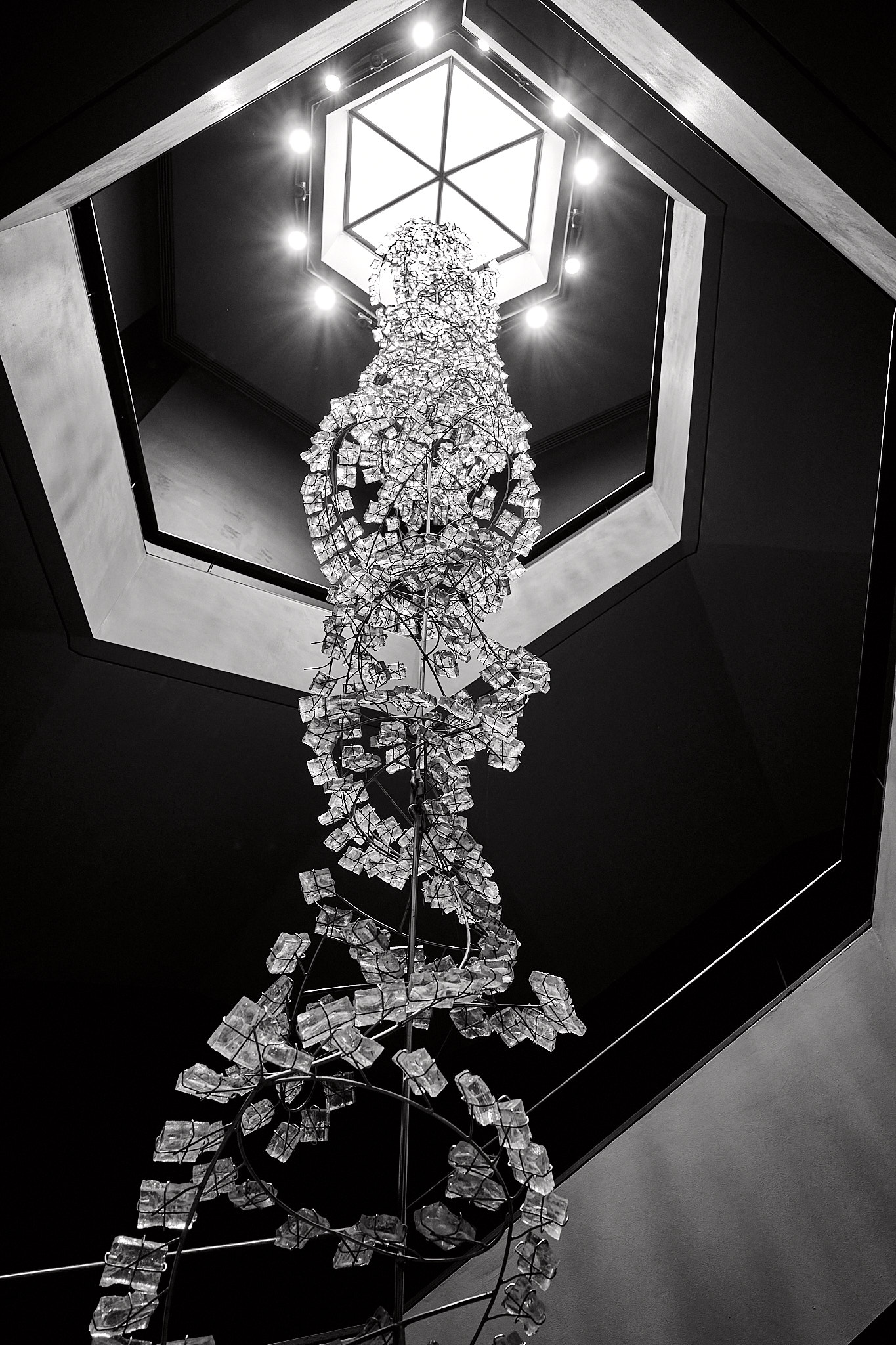
Ultra HDR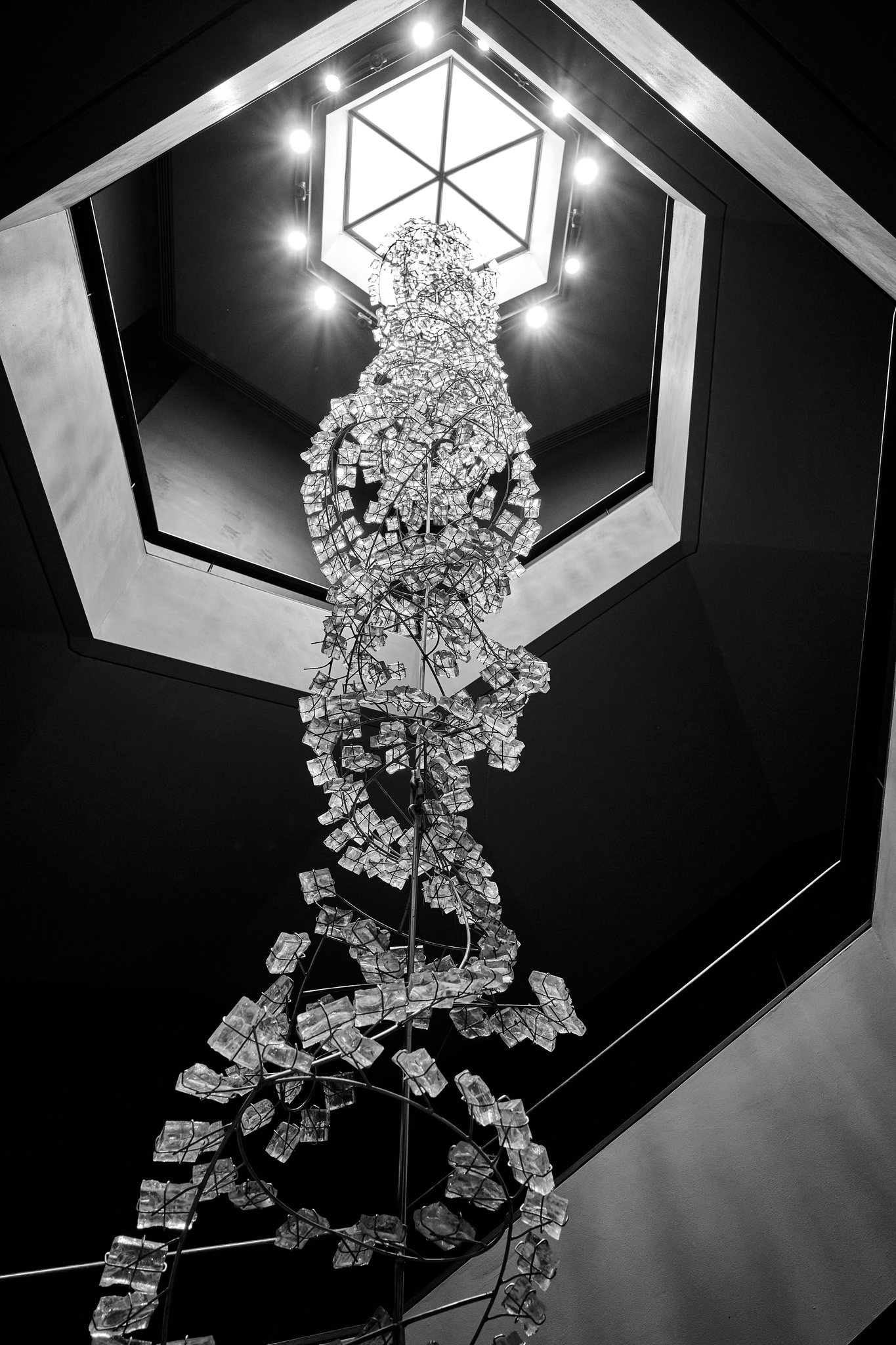
Sculpture beneath an atrium light
Overhead light and reflective surfaces gain separation while the monochrome JPEG keeps its deep blacks.
Full sample gallery · 10 pairs
Explore ten real SDR and Ultra HDR pairs. Compare them side by side on a large screen, or use the SDR and HDR buttons on your phone. Look for the extra light in windows, reflections, and sunlit surfaces.
Use a current Safari or Chrome browser with an HDR-capable display. The TEST text and brightest gradients below should glow beyond the gray base. If you don't see that extra light, your setup may be showing the SDR version.
HDR brightness also depends on your display settings and available brightness. This pattern is a visual check, not an automatic HDR detector.

Overhead light and reflective surfaces gain separation while the monochrome JPEG keeps its deep blacks.
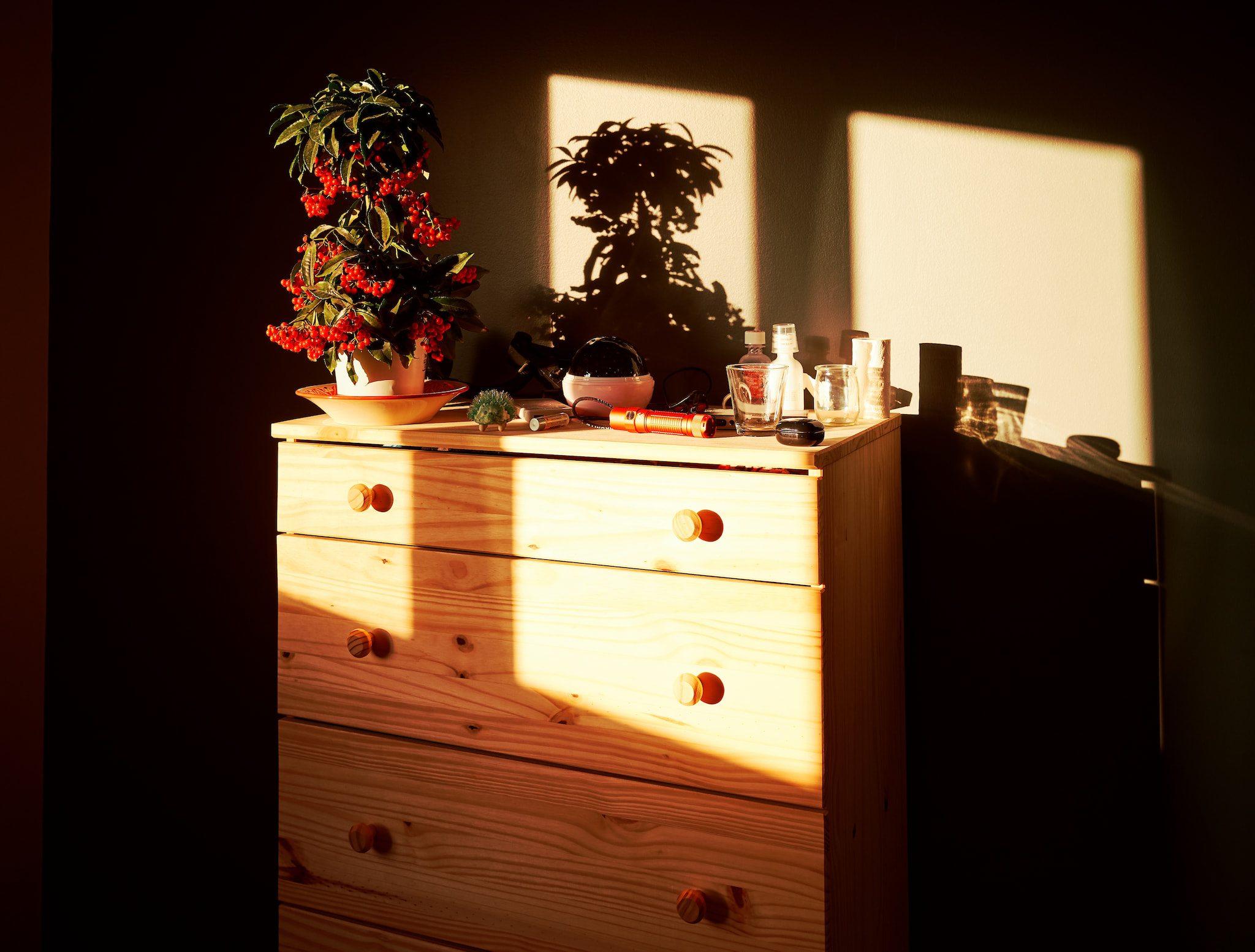
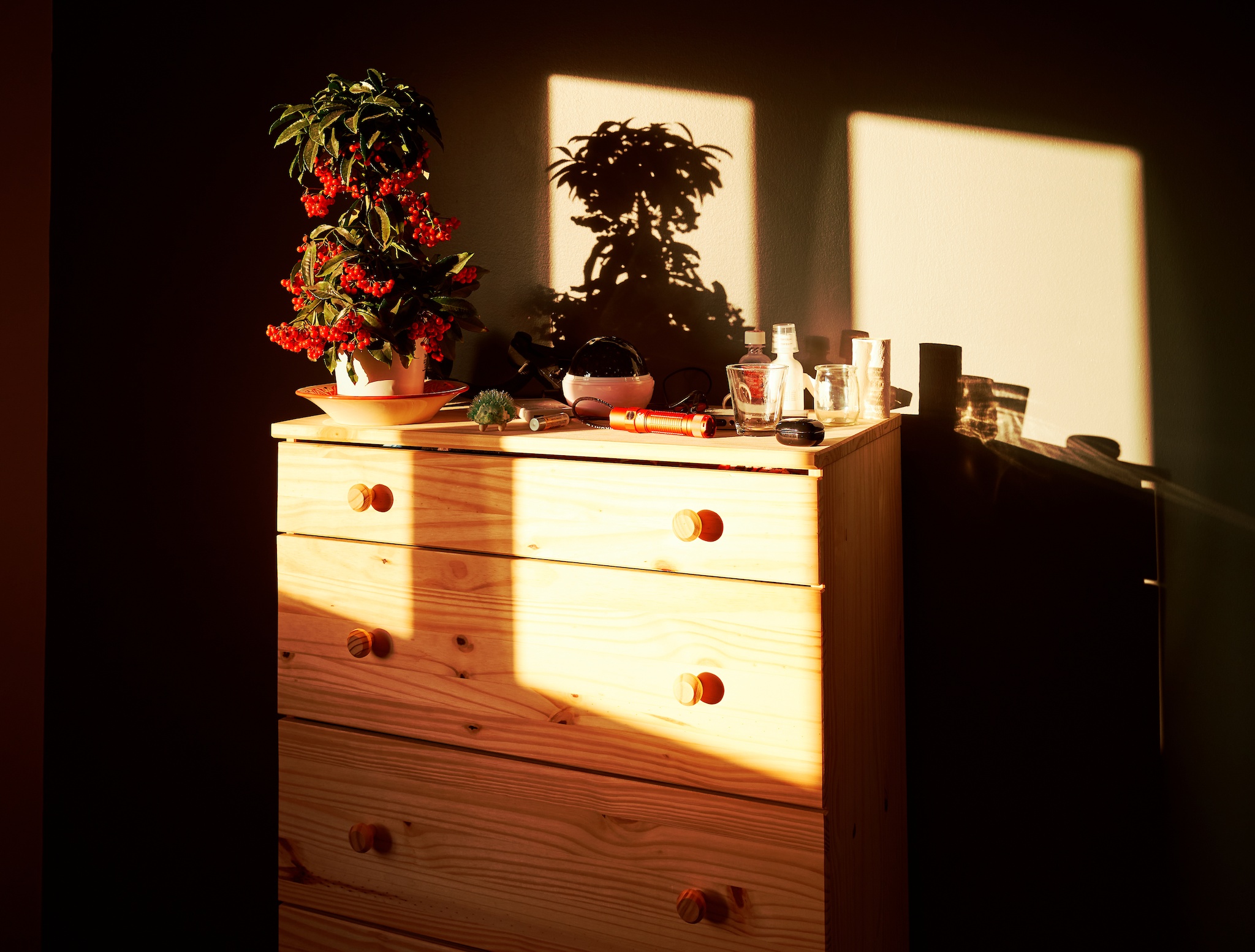
The corrected verticals stay aligned as HDR restores the intensity of the sunlit wall and warm wood.
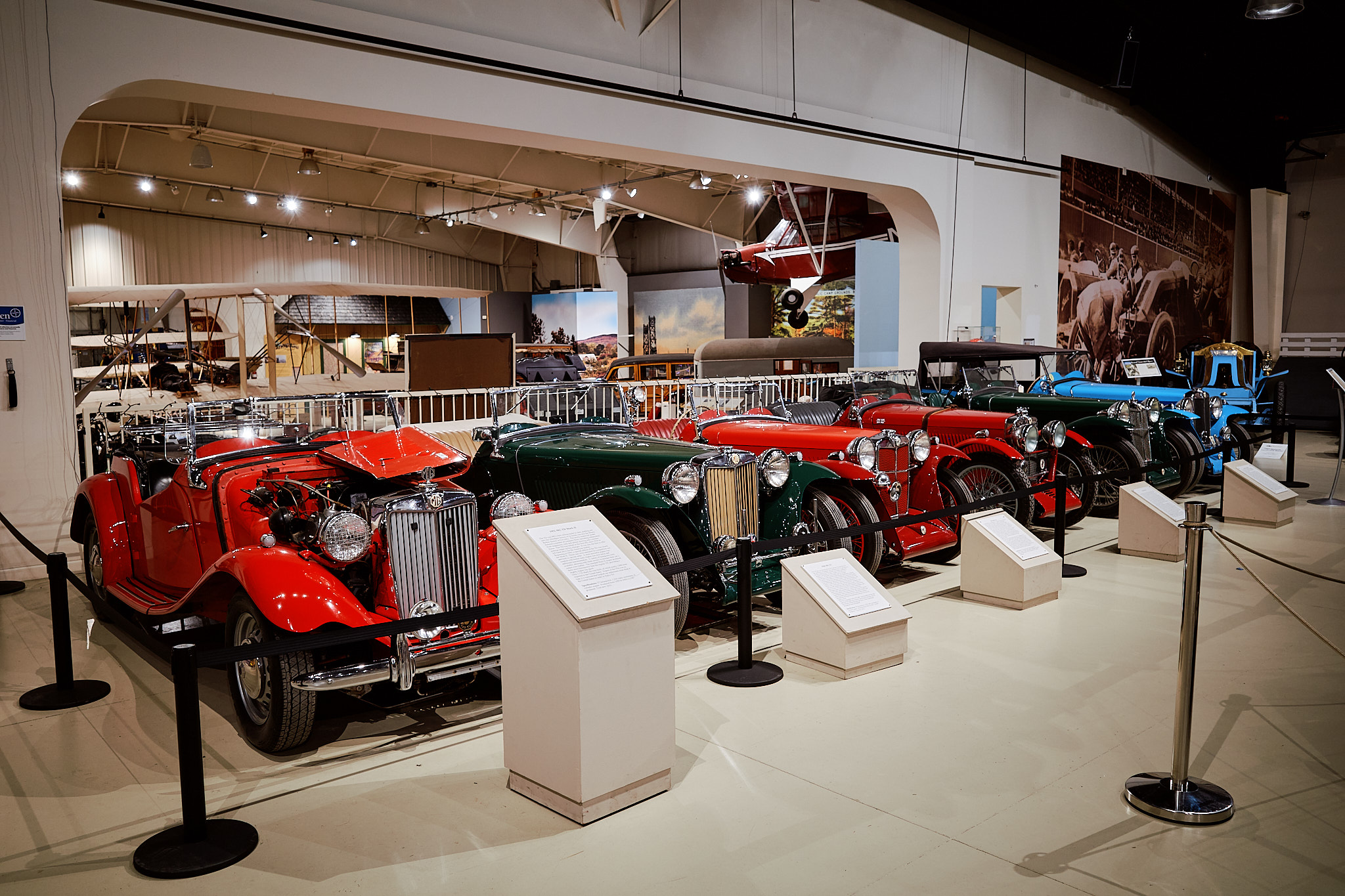
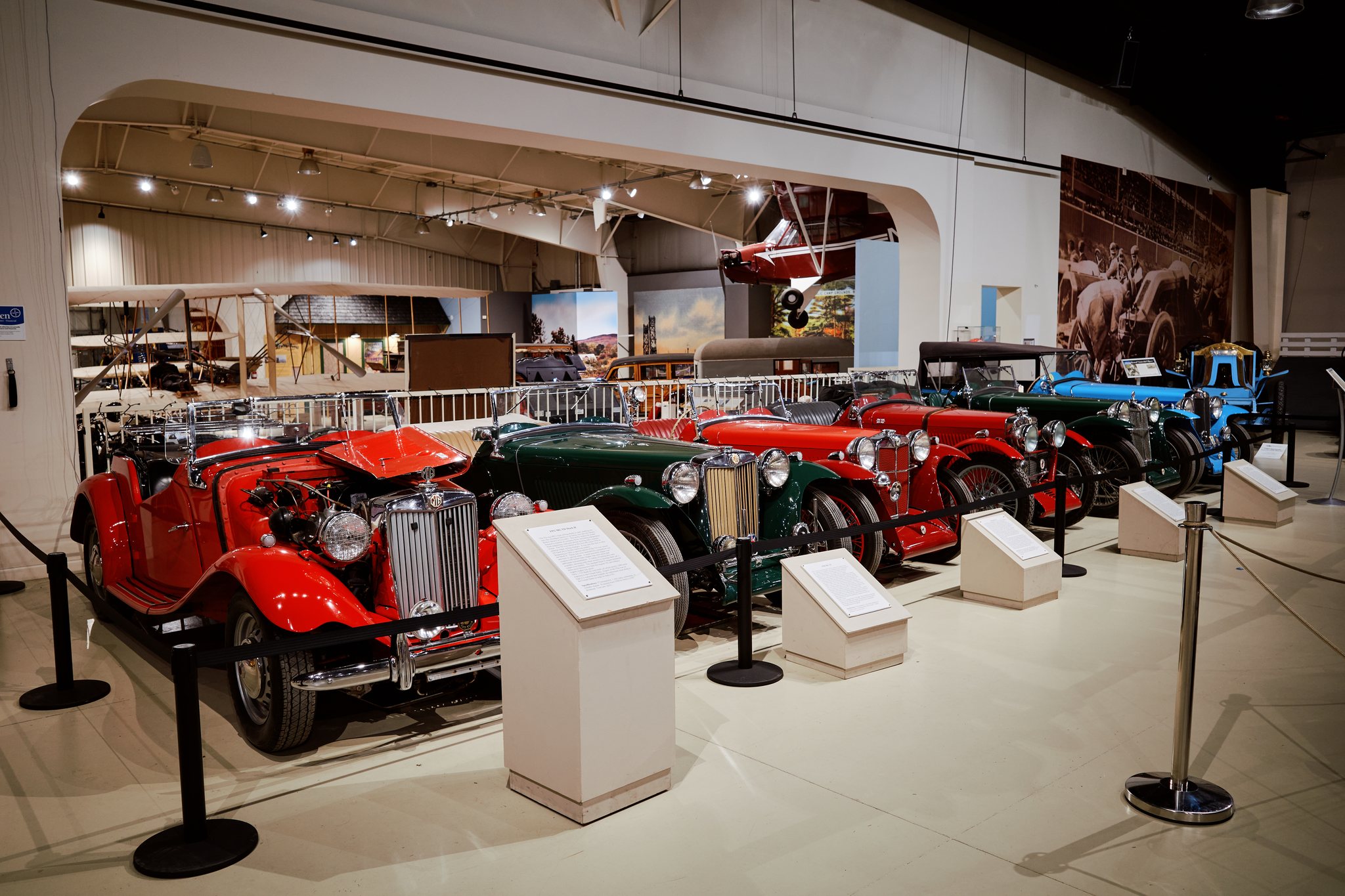
Paint, chrome, and overhead lamps gain brighter highlights without changing the GR III JPEG's rich color.
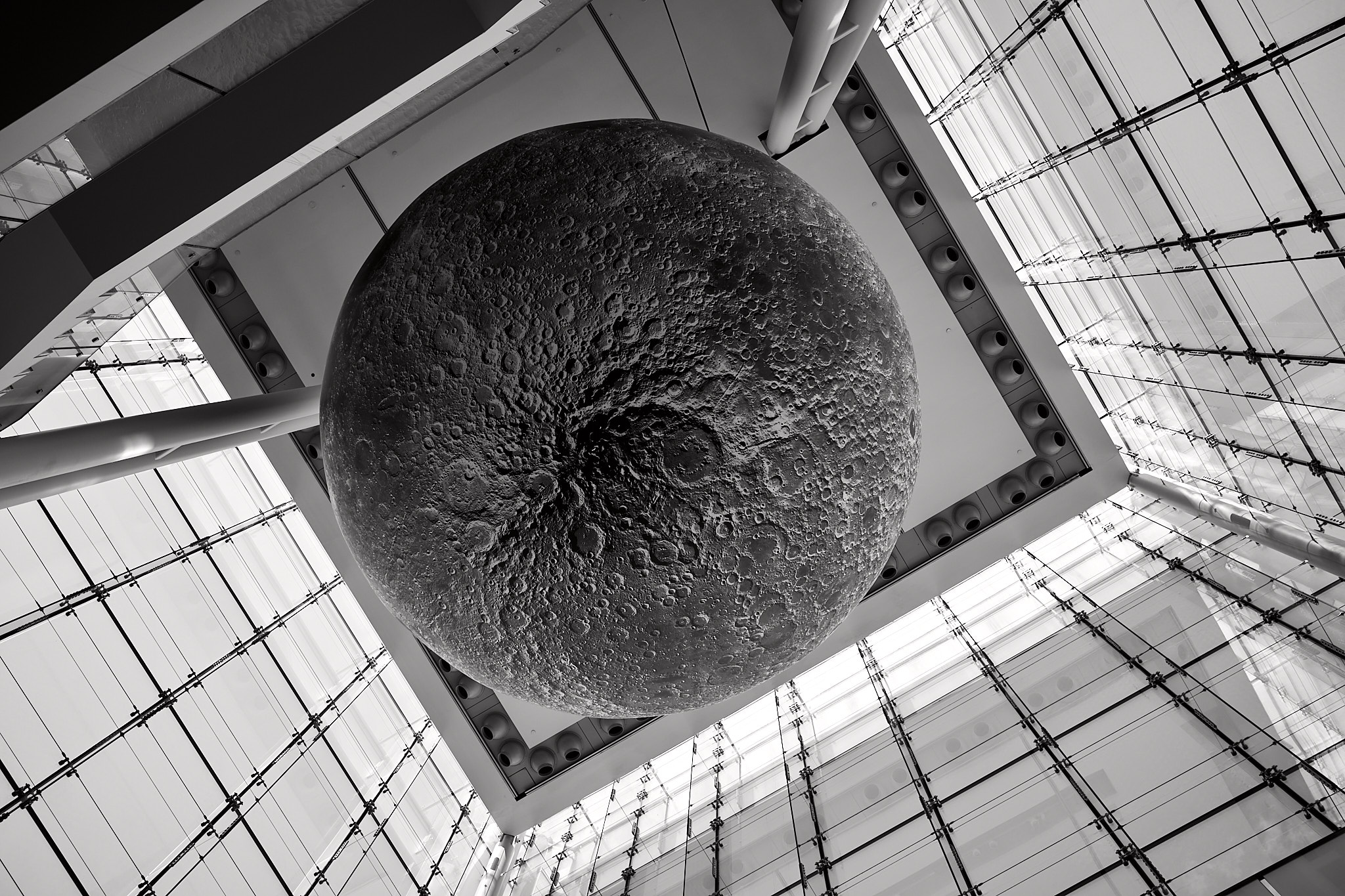
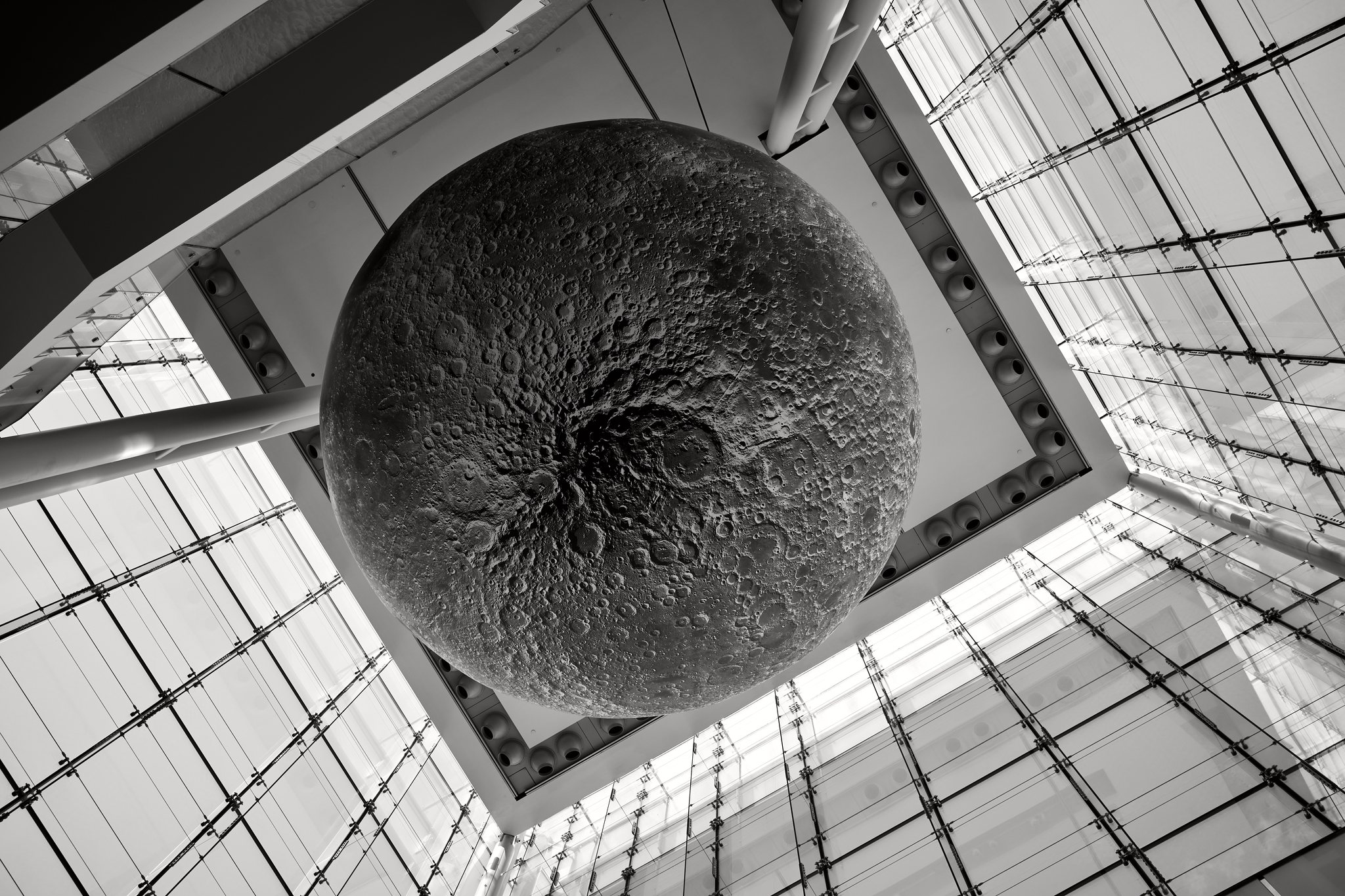
The glass roof and reflective highlights brighten while the monochrome JPEG keeps its dramatic contrast.


A best-effort X-T5 pair: glazed berries and white ceramics gain brighter highlights, though interchangeable-lens alignment can vary.
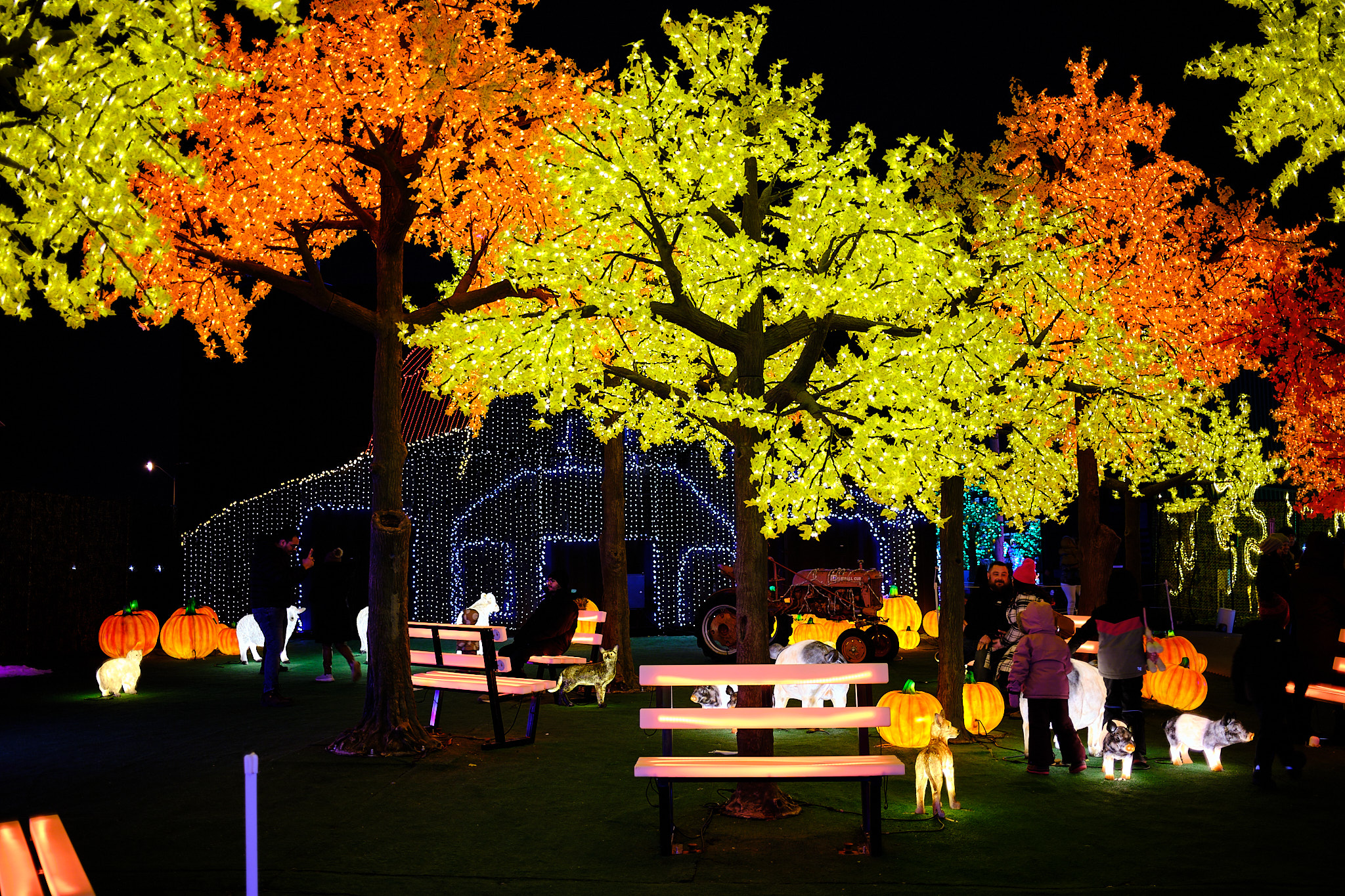
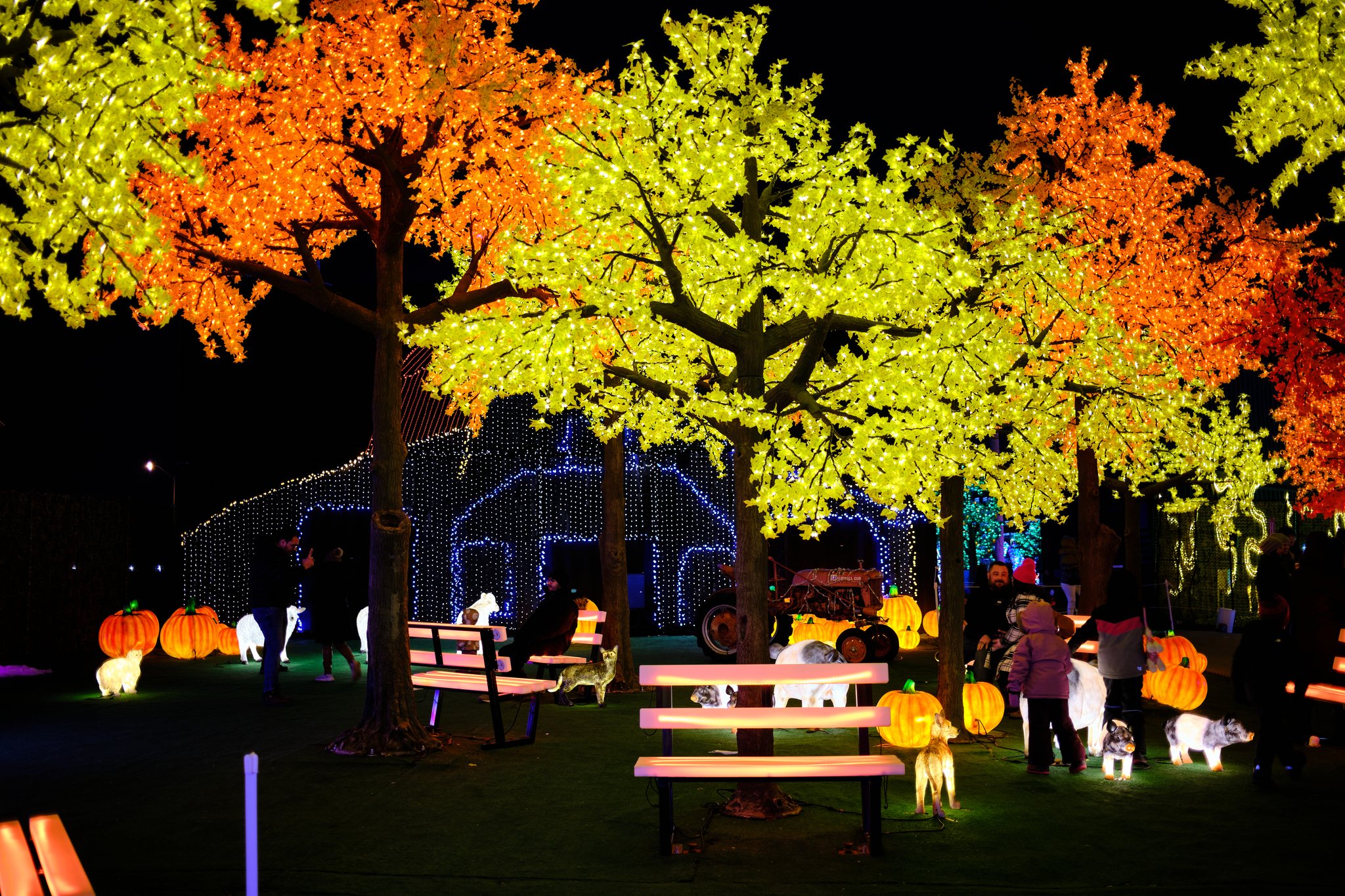
Thousands of small lights and vivid leaves gain real intensity against the night without lifting the shadows.
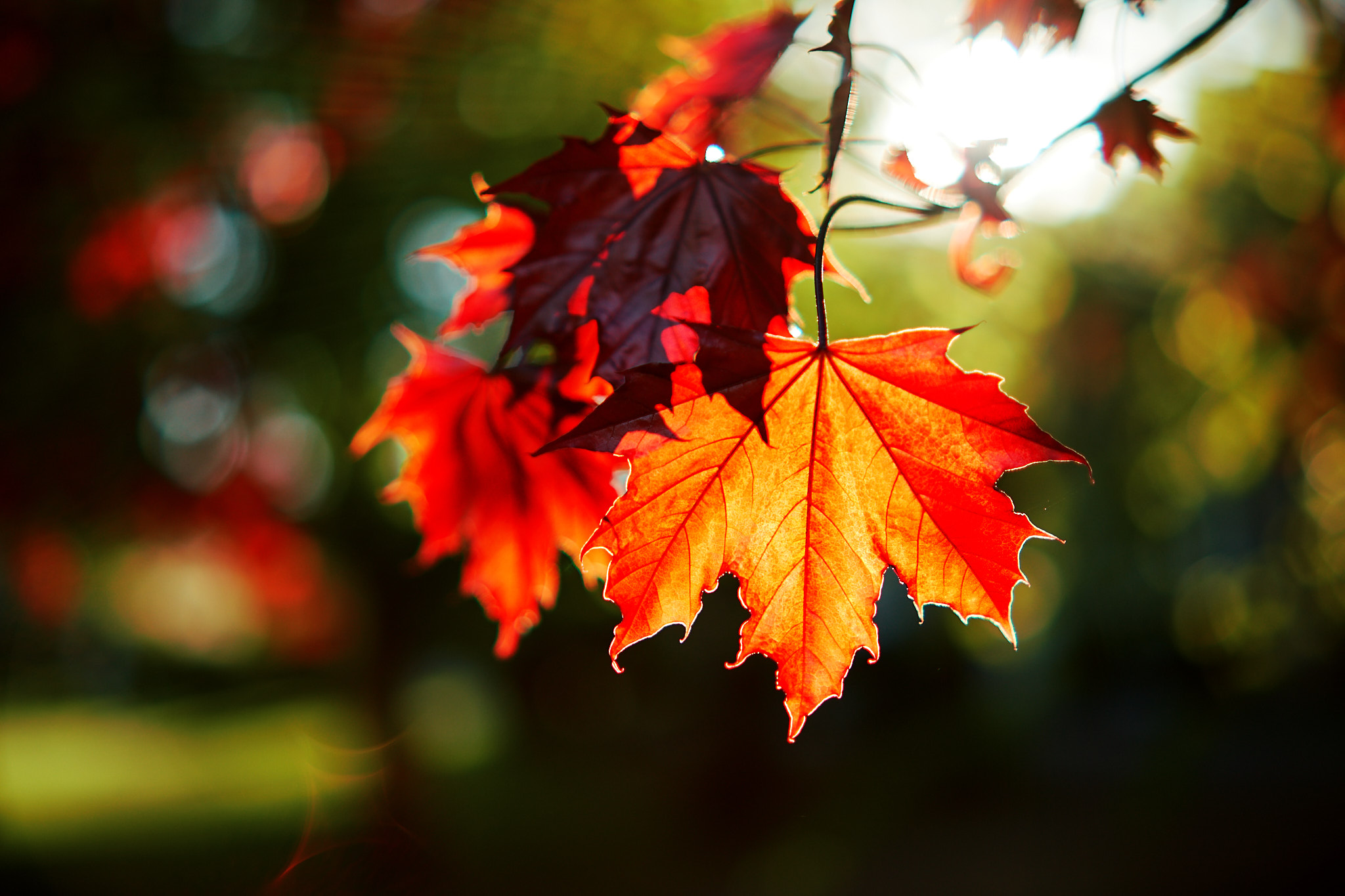
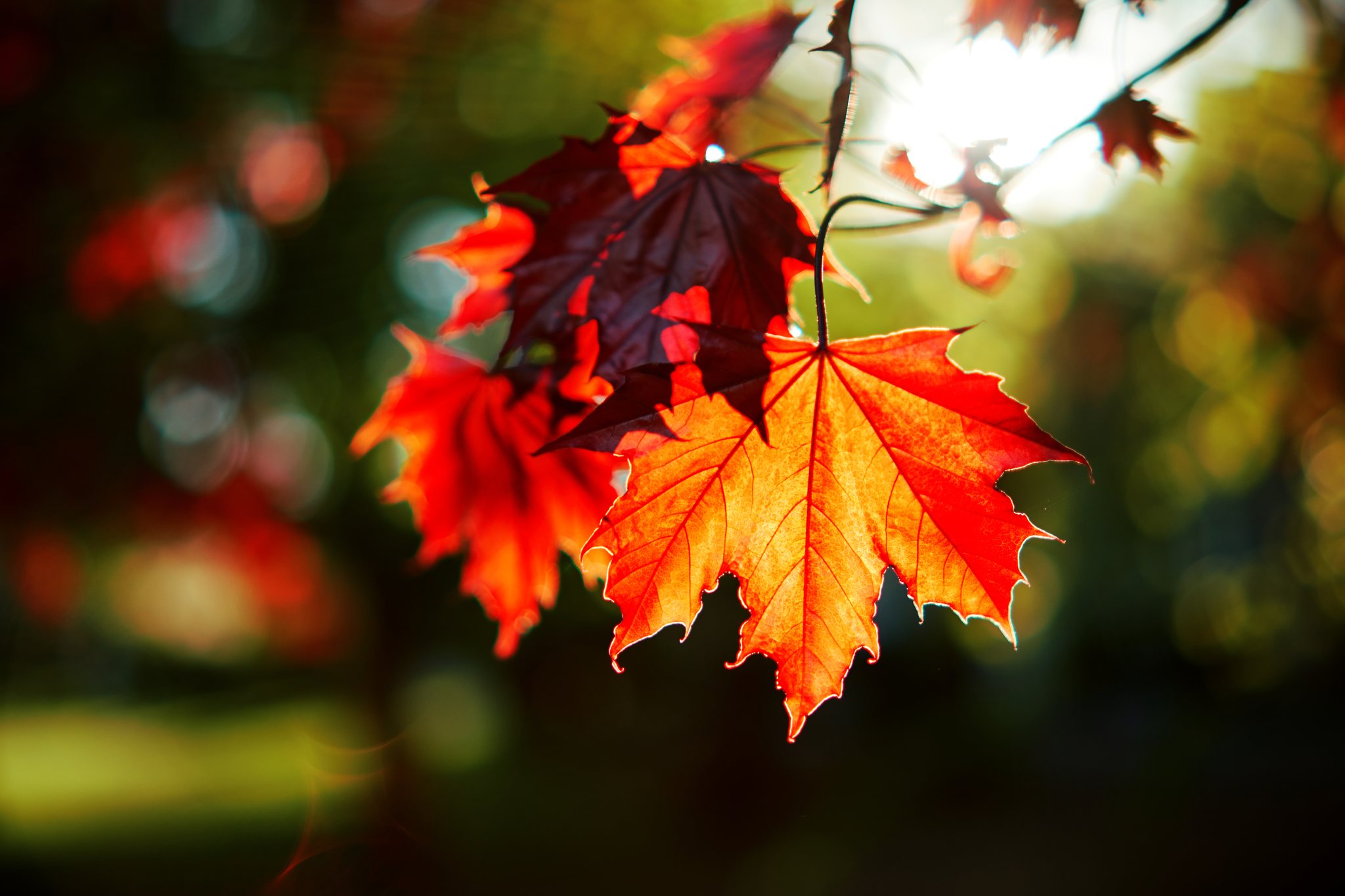
Sunlit leaf edges and translucent reds brighten while the soft background and deep shadows hold their shape.
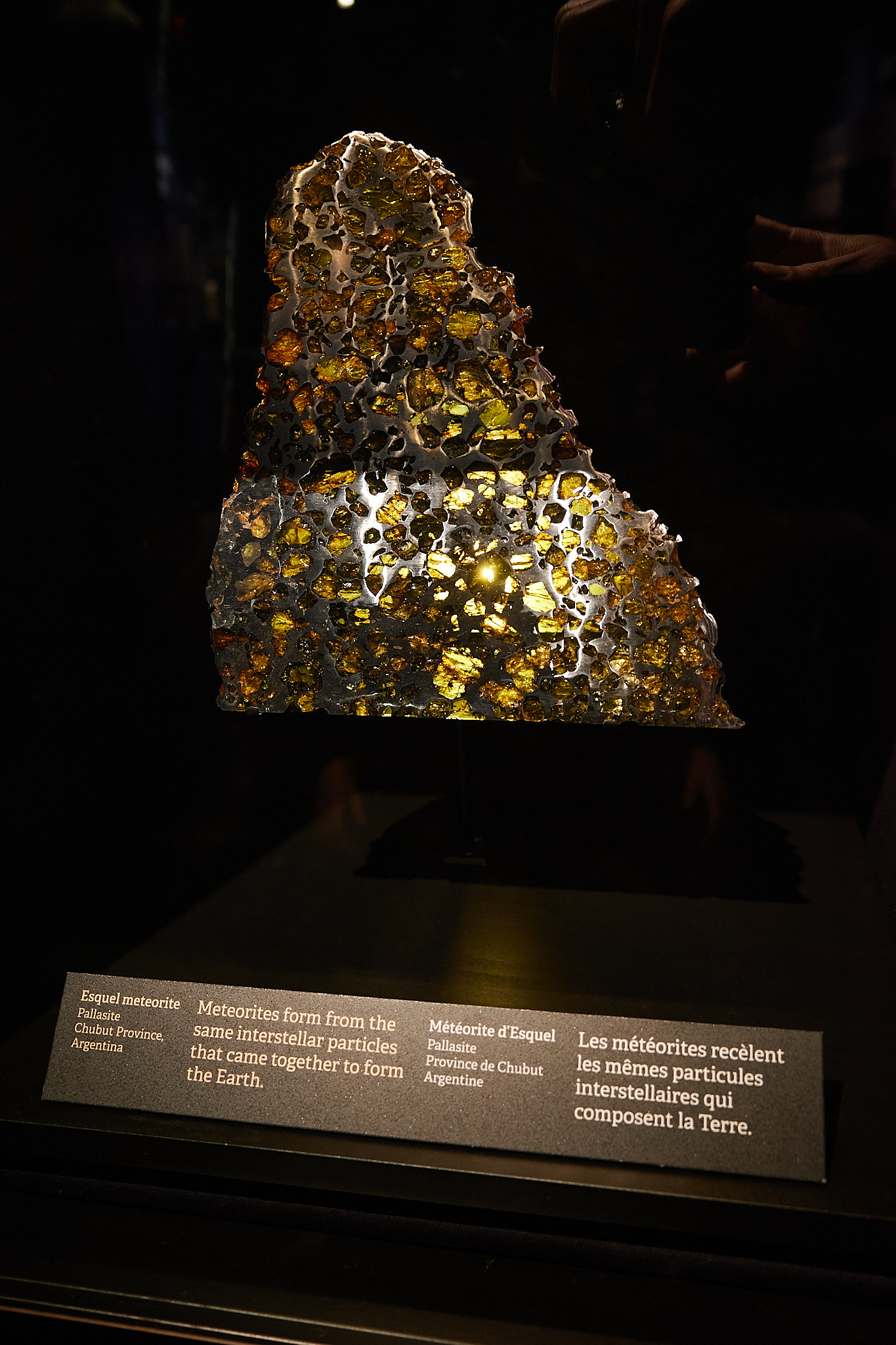
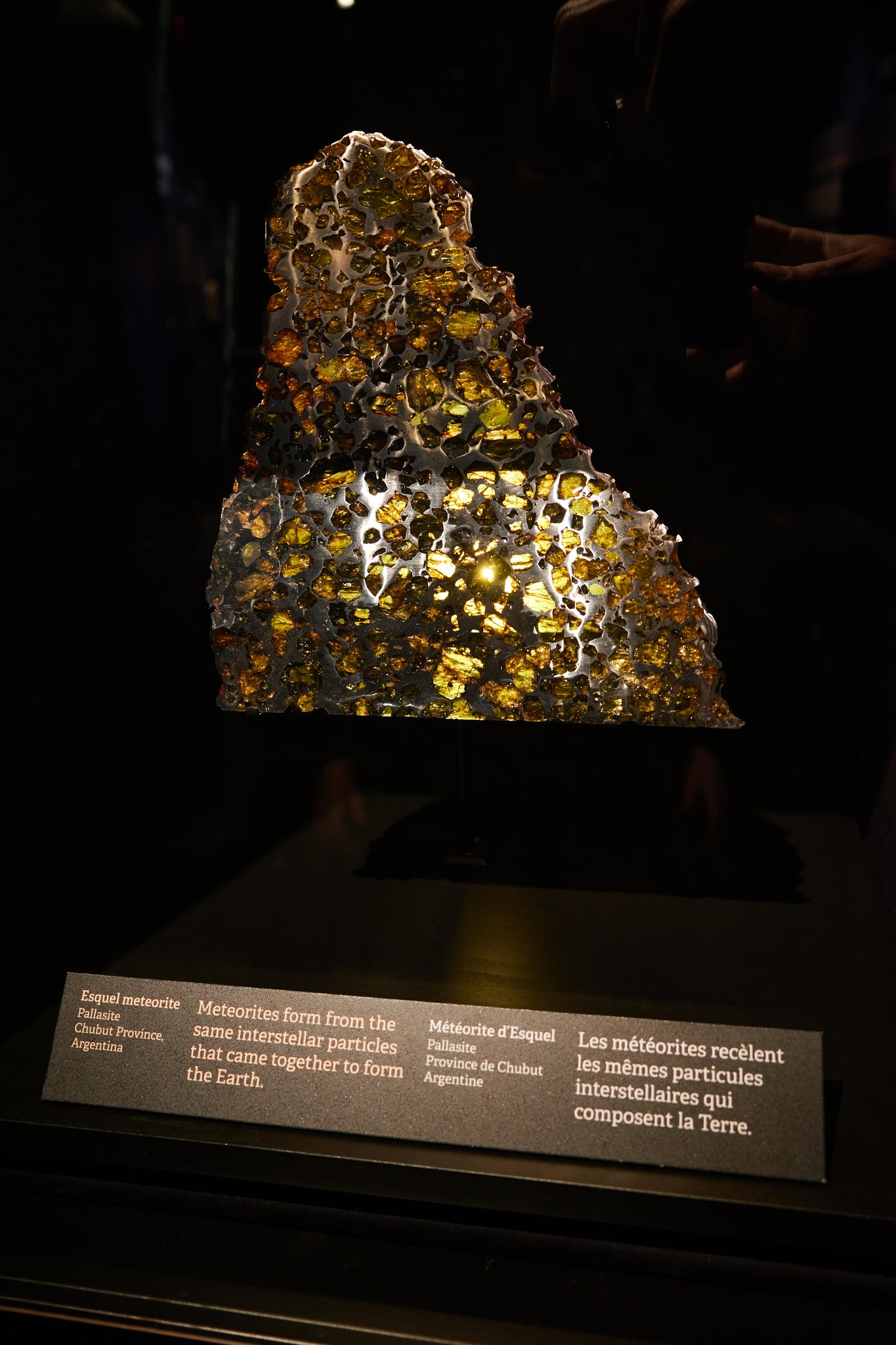
Embedded crystals glow against the dark display case while the surrounding black stays black.
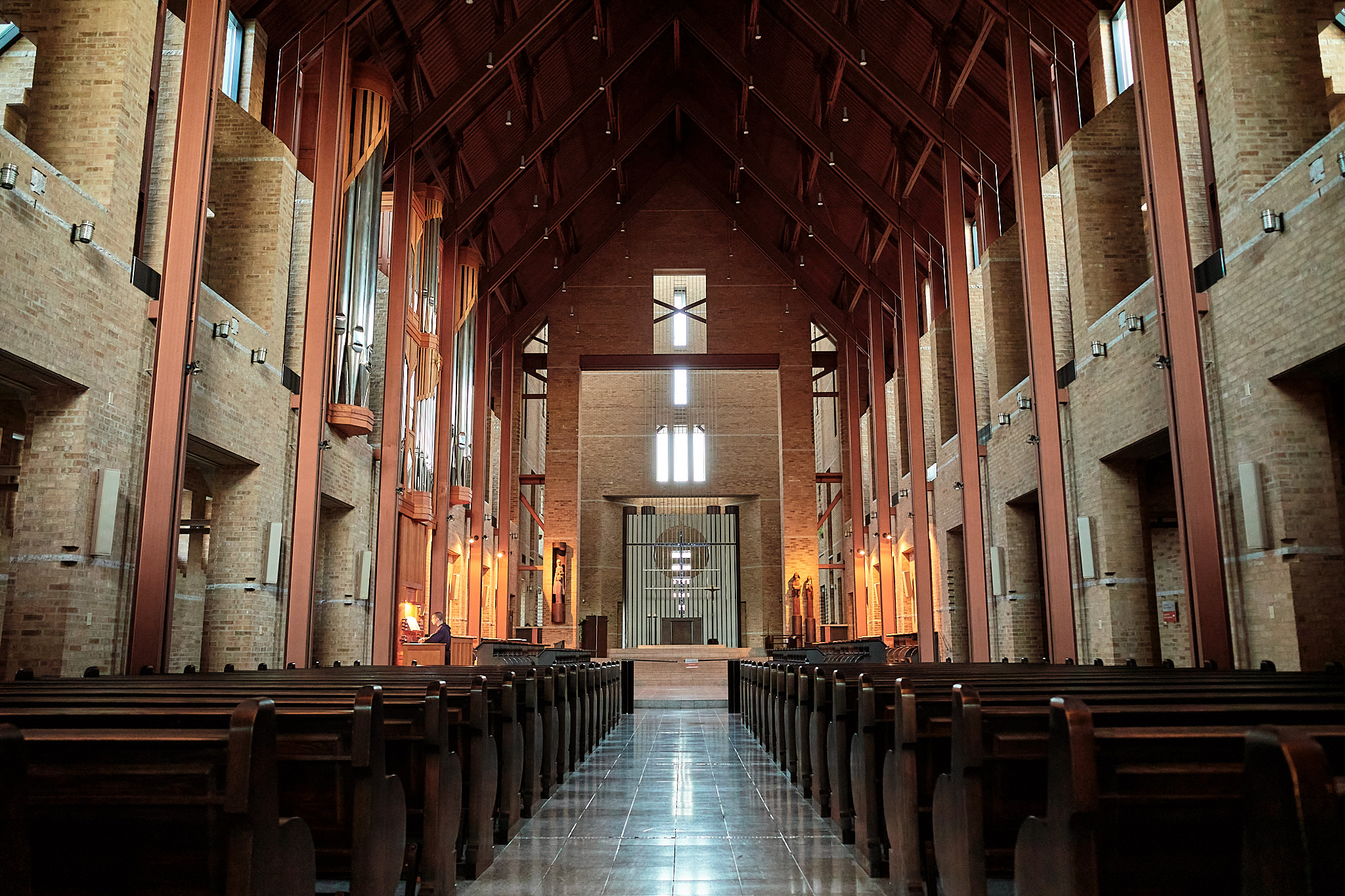
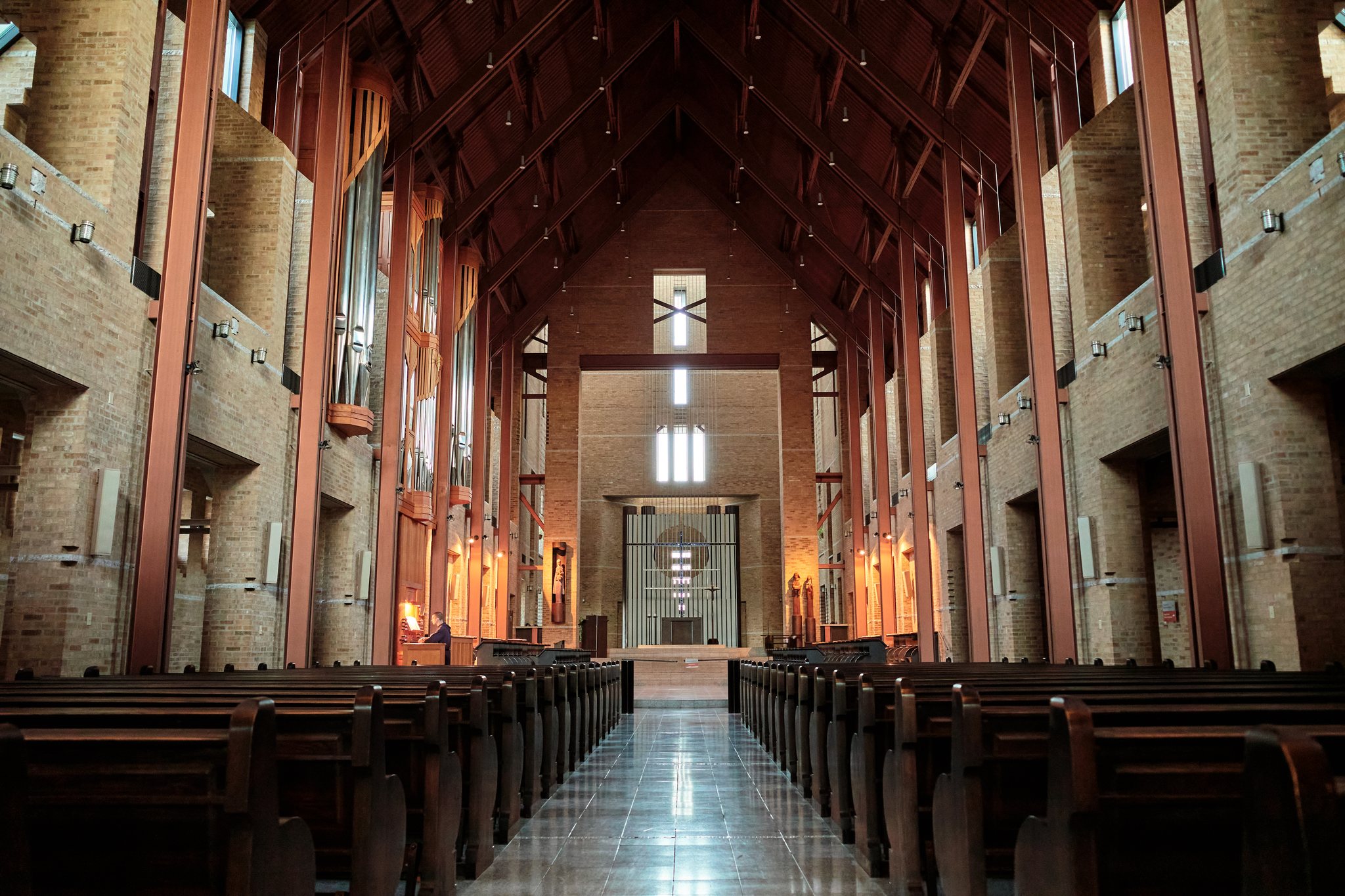
The altar windows gain headroom against the brick interior while its warm light and symmetry remain unchanged.
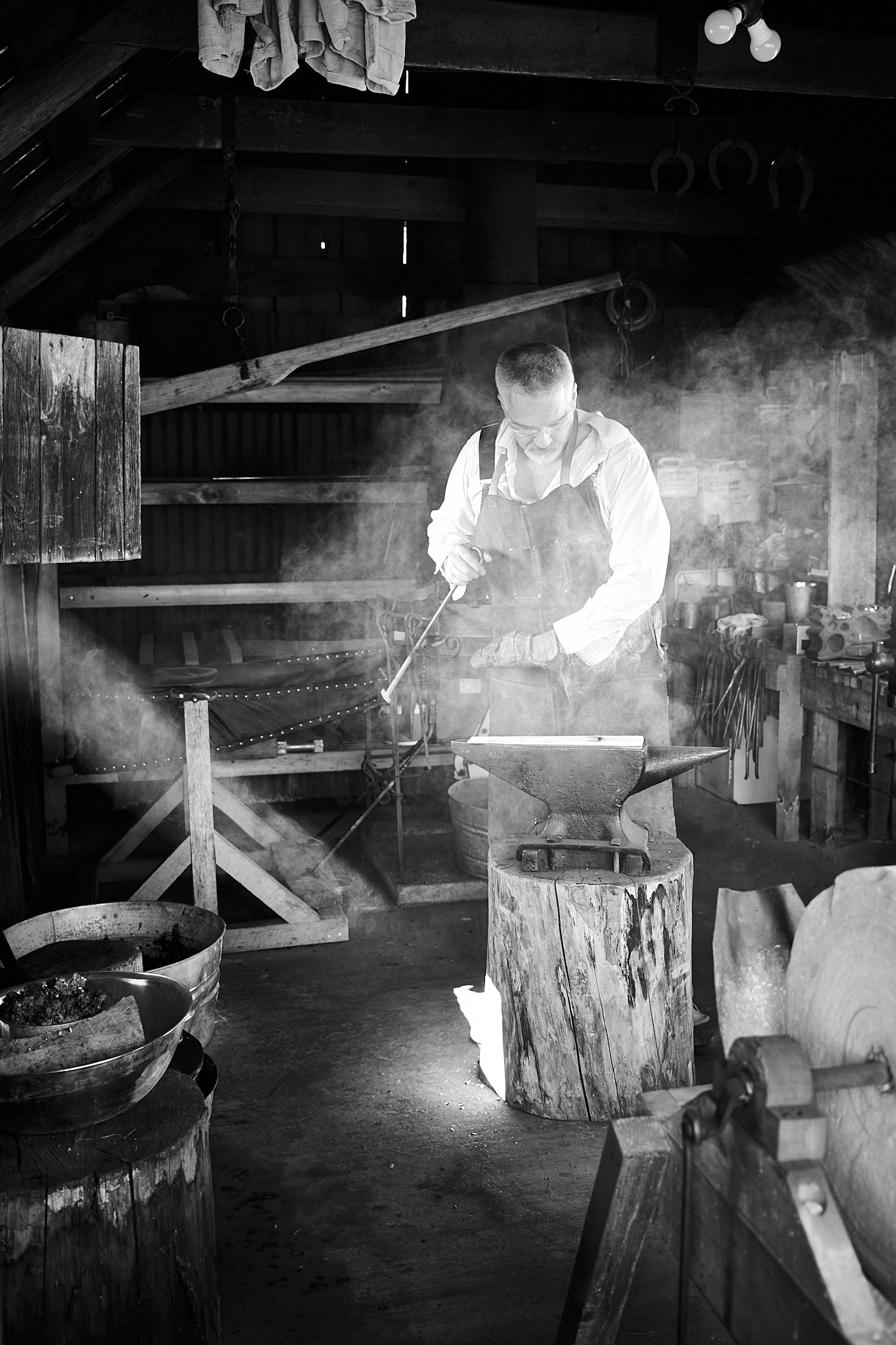
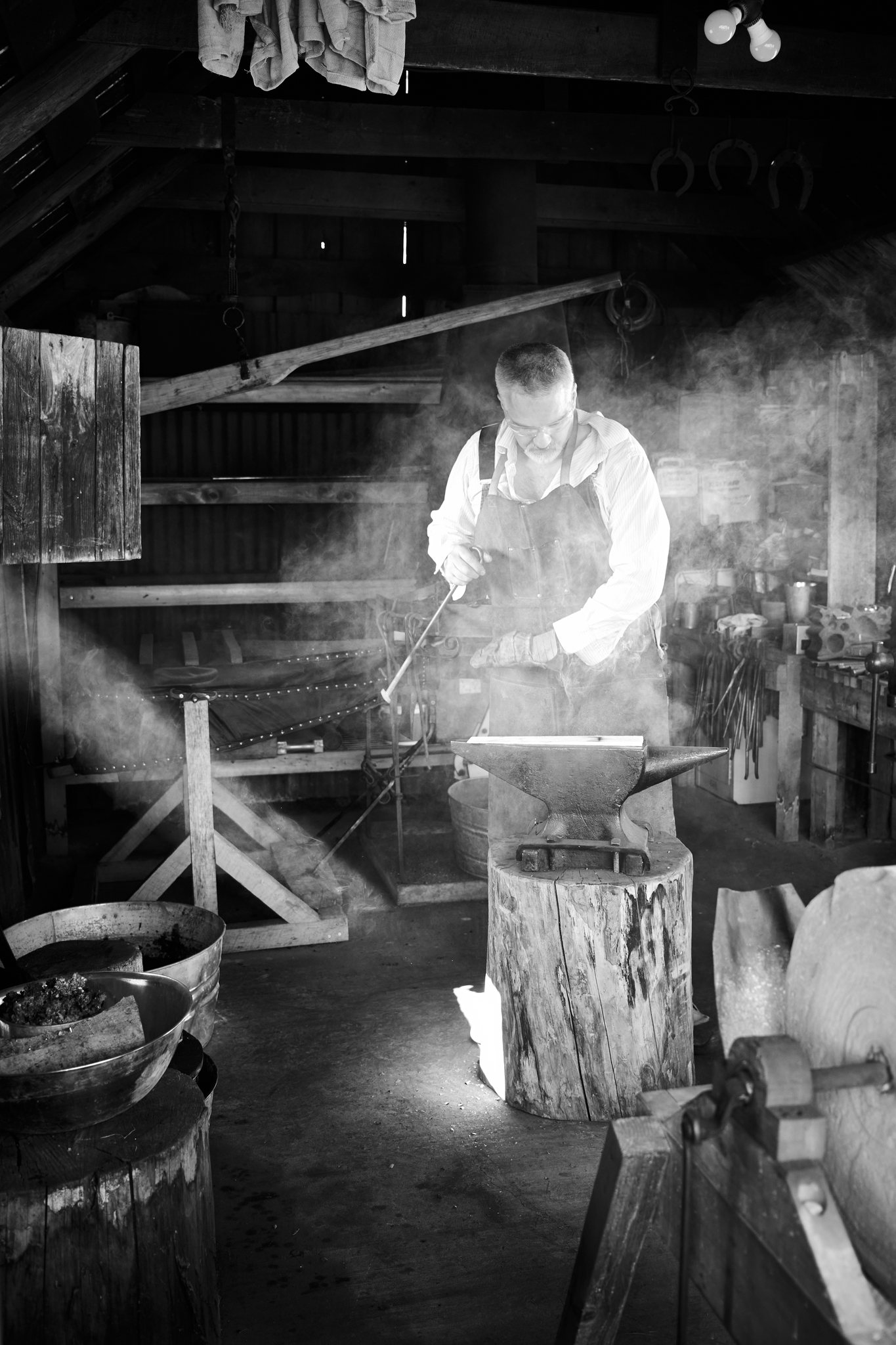
Sunlit smoke and the smith's white shirt brighten without lifting the workshop's deep monochrome shadows.